HTTP to HTTPS Redirects: SEO, Security & Canonical URL Best Practices

HTTP to HTTPS Redirects: SEO, Security & Canonical URL Best Practices

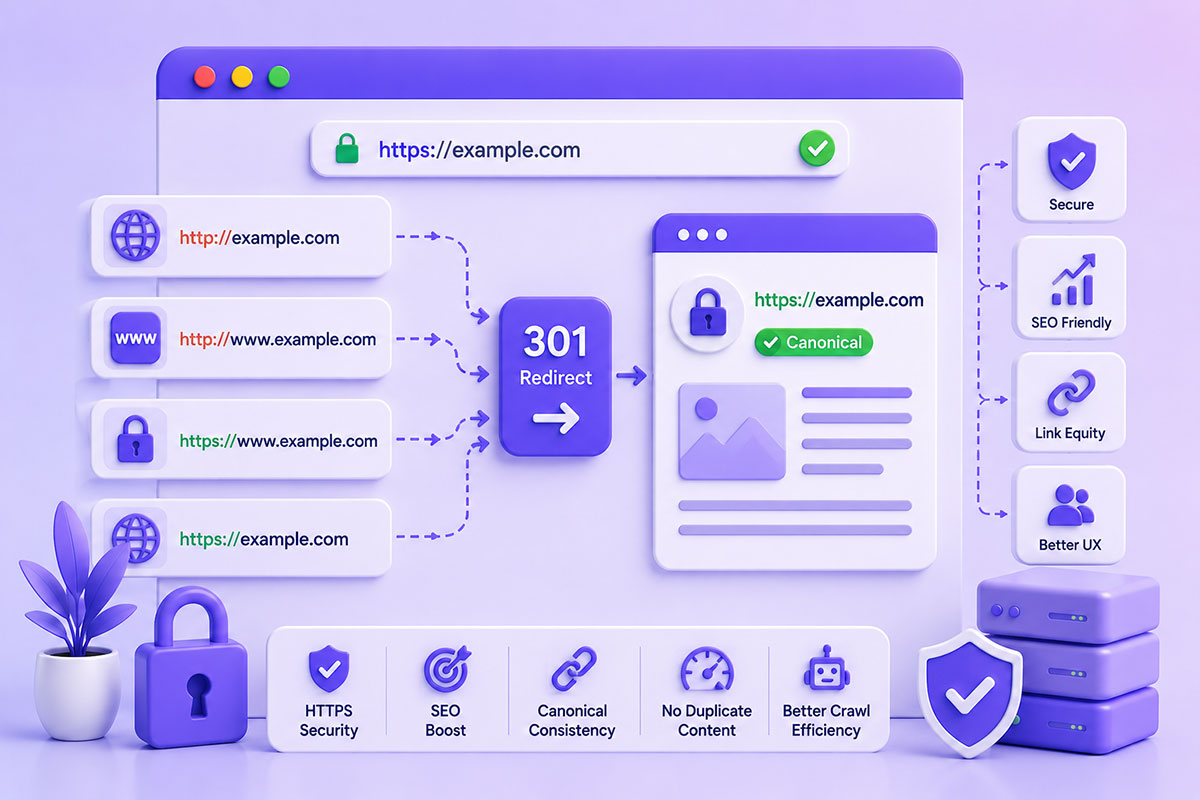
Why URL Consistency Matters One of the most overlooked technical SEO issues is allowing multiple versions of the same page to exist. For example, these URLs may all serve identical content: http://example.com http://www.example.com https://example.com https://www.example.com To users they appear identical. To search engines they are four different URLs unless you explicitly tell them otherwise. This can lead to: Duplicate content …

Prevent Hotlinking with .htaccess: Protect Your Images, Bandwidth & Server Resources

Prevent Hotlinking with .htaccess: Protect Your Images, Bandwidth & Server Resources

What Is Hotlinking? Hotlinking occurs when another website embeds files hosted on your server instead of downloading and hosting them locally. For example, instead of uploading your image, another website simply writes: <img src=”https://yourdomain.com/images/banner.jpg”> Every visitor to that website downloads the image directly from your server, consuming your bandwidth and server resources without your permission. Although a single image request …

Understanding WP-Cron: Scheduling Background Tasks in WordPress

Understanding WP-Cron: Scheduling Background Tasks in WordPress

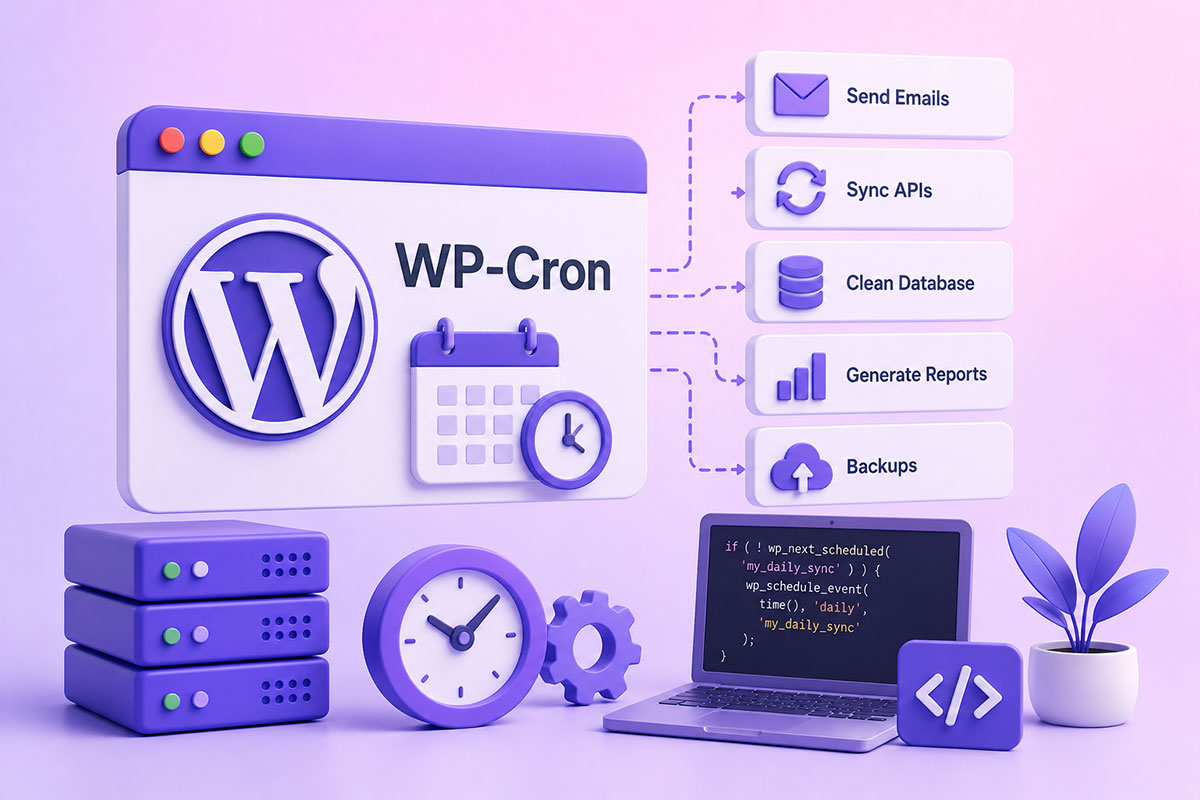
Why Background Tasks Matter Modern WordPress websites do much more than display pages. Behind the scenes, they constantly perform scheduled tasks such as: Publishing scheduled posts Sending emails Processing queues Syncing APIs Cleaning temporary data Running backups Updating inventory Importing data Generating reports These background operations allow websites to automate repetitive work without requiring manual intervention. WordPress provides a built-in …

Should You Disable XML-RPC in WordPress? Understanding Its Purpose, Risks & Modern Alternatives

Should You Disable XML-RPC in WordPress? Understanding Its Purpose, Risks & Modern Alternatives

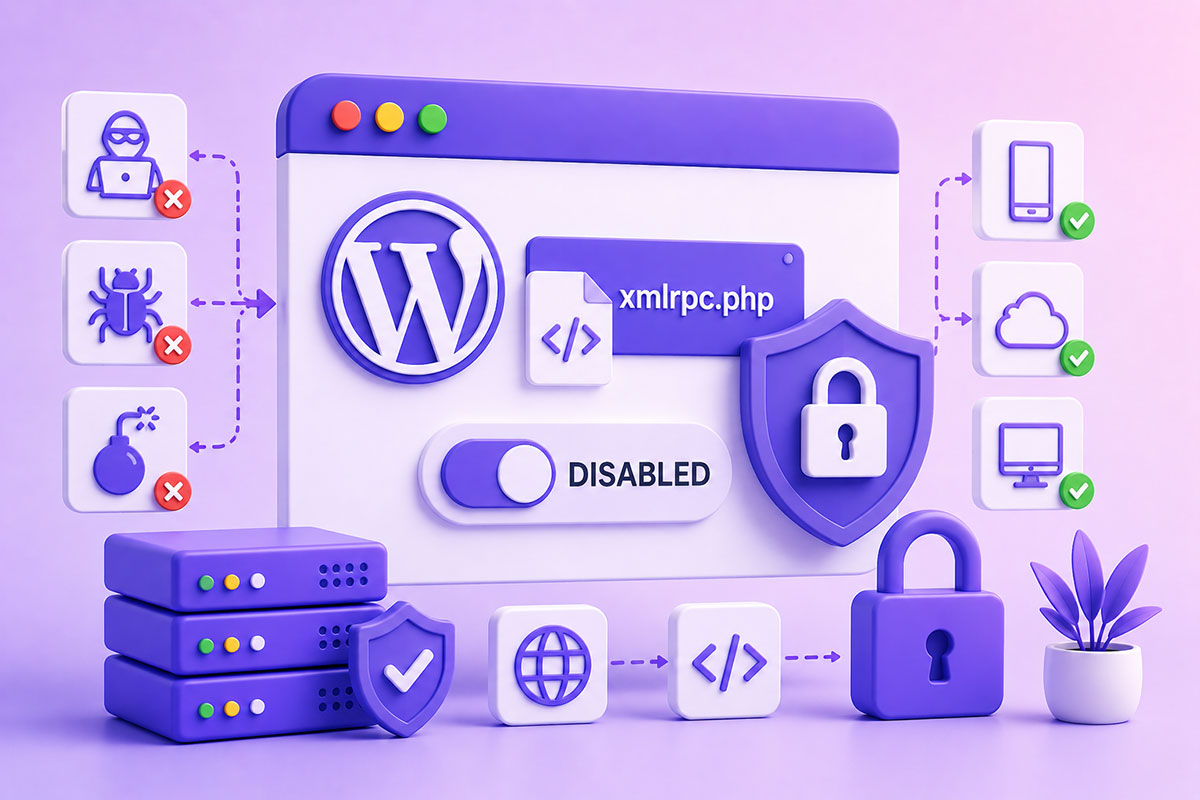
What Is XML-RPC? XML-RPC is a remote communication protocol that allows external applications to interact with a WordPress website. Before the introduction of the WordPress REST API, XML-RPC was the primary way for external applications to: Publish posts Edit content Upload media Moderate comments Access user information Connect desktop and mobile applications Communication occurs through a single endpoint: https://example.com/xmlrpc.php Applications …

Building Professional WordPress Settings Pages Using the Settings API

Building Professional WordPress Settings Pages Using the Settings API

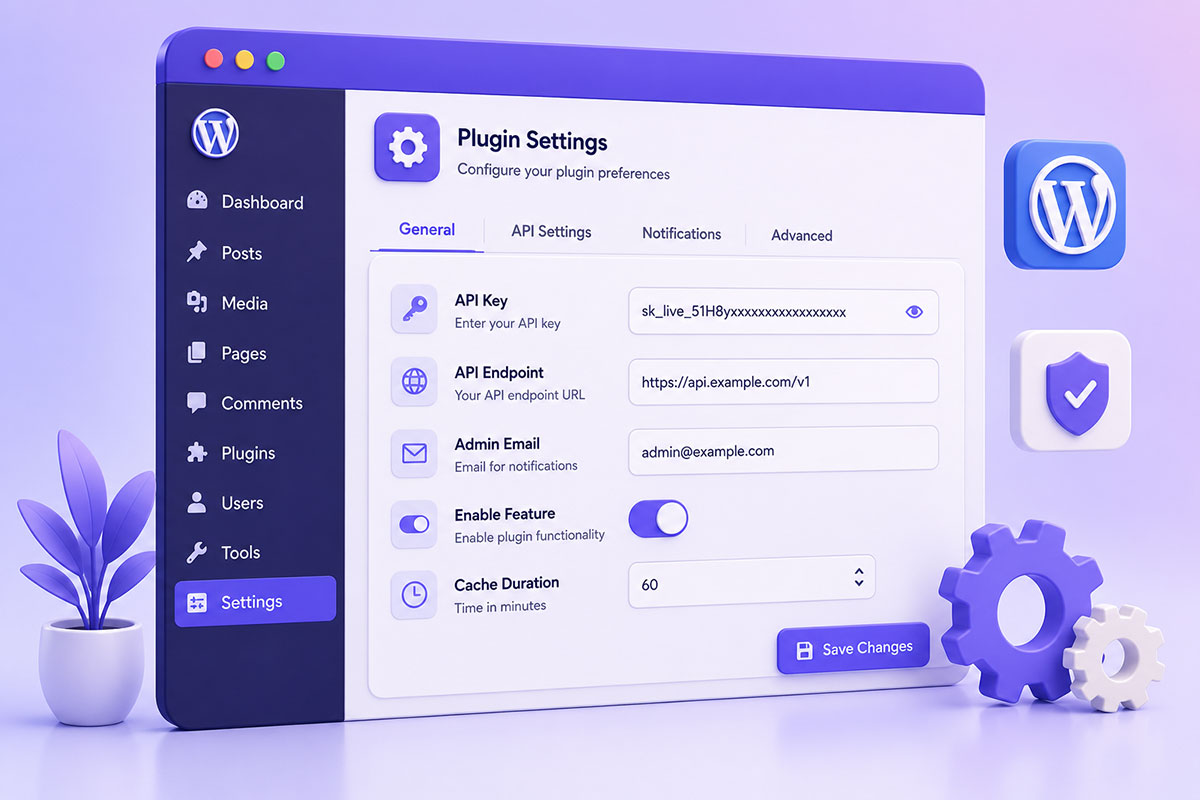
Why Every WordPress Plugin Needs a Settings Page Most WordPress plugins eventually need configuration. Whether you’re building a small utility plugin or a complex SaaS integration, users need a way to control how the plugin behaves. Typical settings include: API credentials Feature toggles Email notifications Default values Cache settings Third-party integrations Display preferences While it’s possible to build a custom …