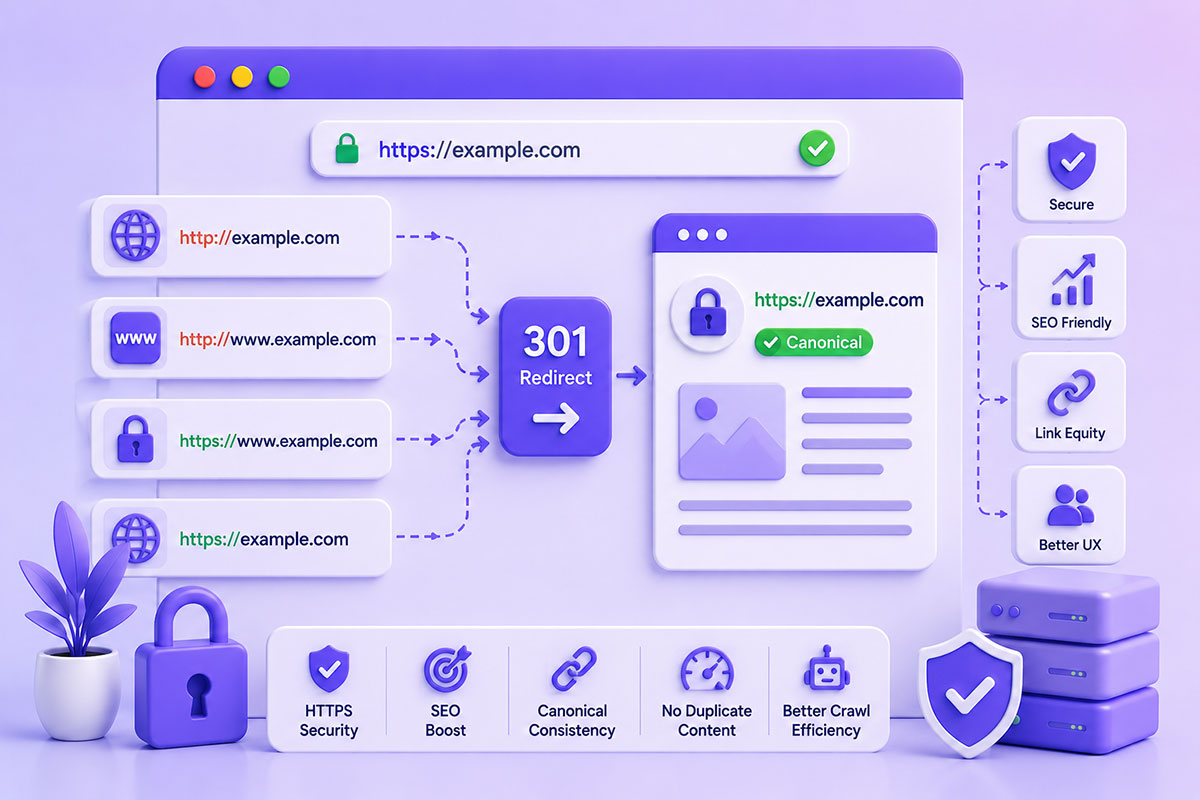
Why URL Consistency Matters One of the most overlooked technical SEO issues is allowing multiple versions of the same page to exist. For example, these URLs may all serve identical content: http://example.com http://www.example.com https://example.com https://www.example.com To users they appear identical. To search engines they are four different URLs unless you explicitly tell them otherwise. This can lead to: Duplicate content …
Prevent Hotlinking with .htaccess: Protect Your Images, Bandwidth & Server Resources
What Is Hotlinking? Hotlinking occurs when another website embeds files hosted on your server instead of downloading and hosting them locally. For example, instead of uploading your image, another website simply writes: <img src=”https://yourdomain.com/images/banner.jpg”> Every visitor to that website downloads the image directly from your server, consuming your bandwidth and server resources without your permission. Although a single image request …
Can Microsoft Office Co-Author Documents on an Apache WebDAV Server?
Why Document Collaboration Matters Modern businesses expect multiple users to edit documents simultaneously without worrying about conflicting versions. Whether it’s: Project documentation Business proposals Technical specifications Contracts Internal knowledge bases real-time collaboration has become the standard. Microsoft Office provides an excellent co-authoring experience—but many organizations assume this is only possible with SharePoint or OneDrive. The reality is more nuanced.What Is …
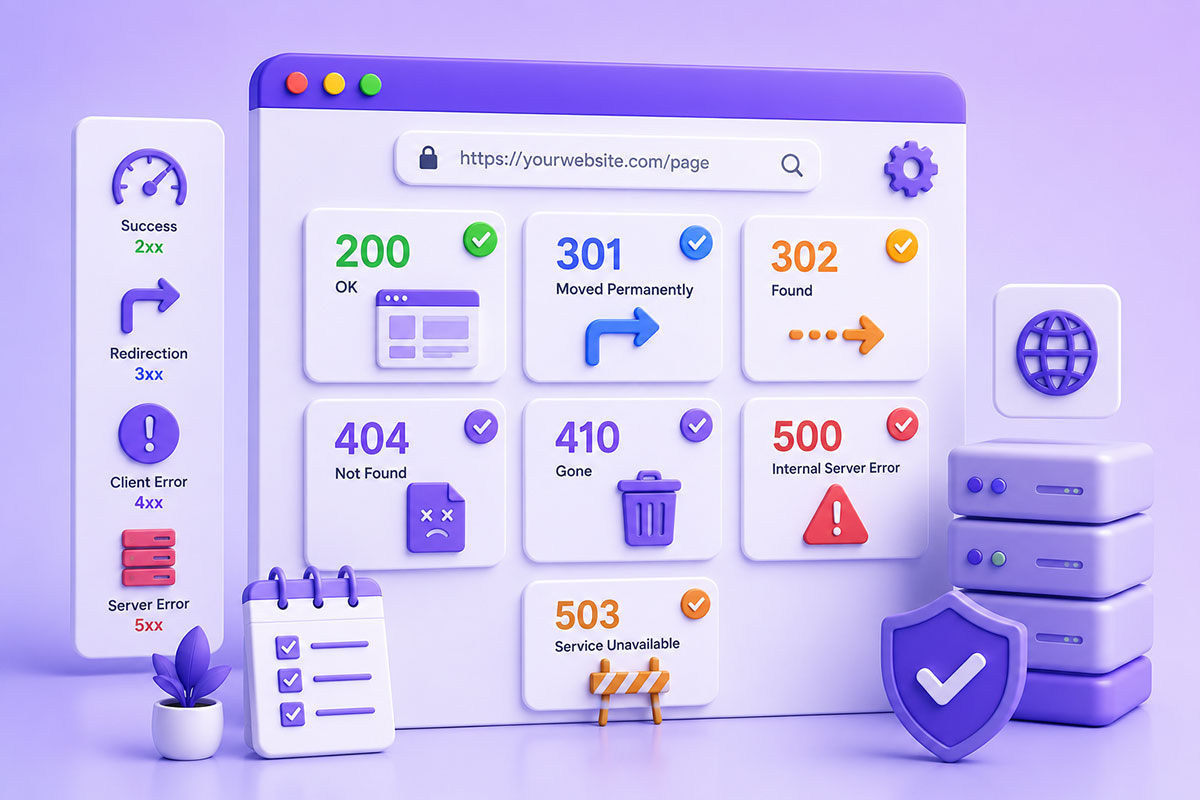
HTTP Status Codes Explained: When to Use 200, 301, 302, 404, 410 & 500
Why HTTP Status Codes Matter Every time a browser, search engine, or API requests a page, the server responds with an HTTP status code. Although visitors rarely see these codes directly, they determine how browsers, search engines, and applications should handle the response. A status code tells the client whether: The request succeeded The page moved The page doesn’t exist …